An idea without a plan is a missed opportunity.
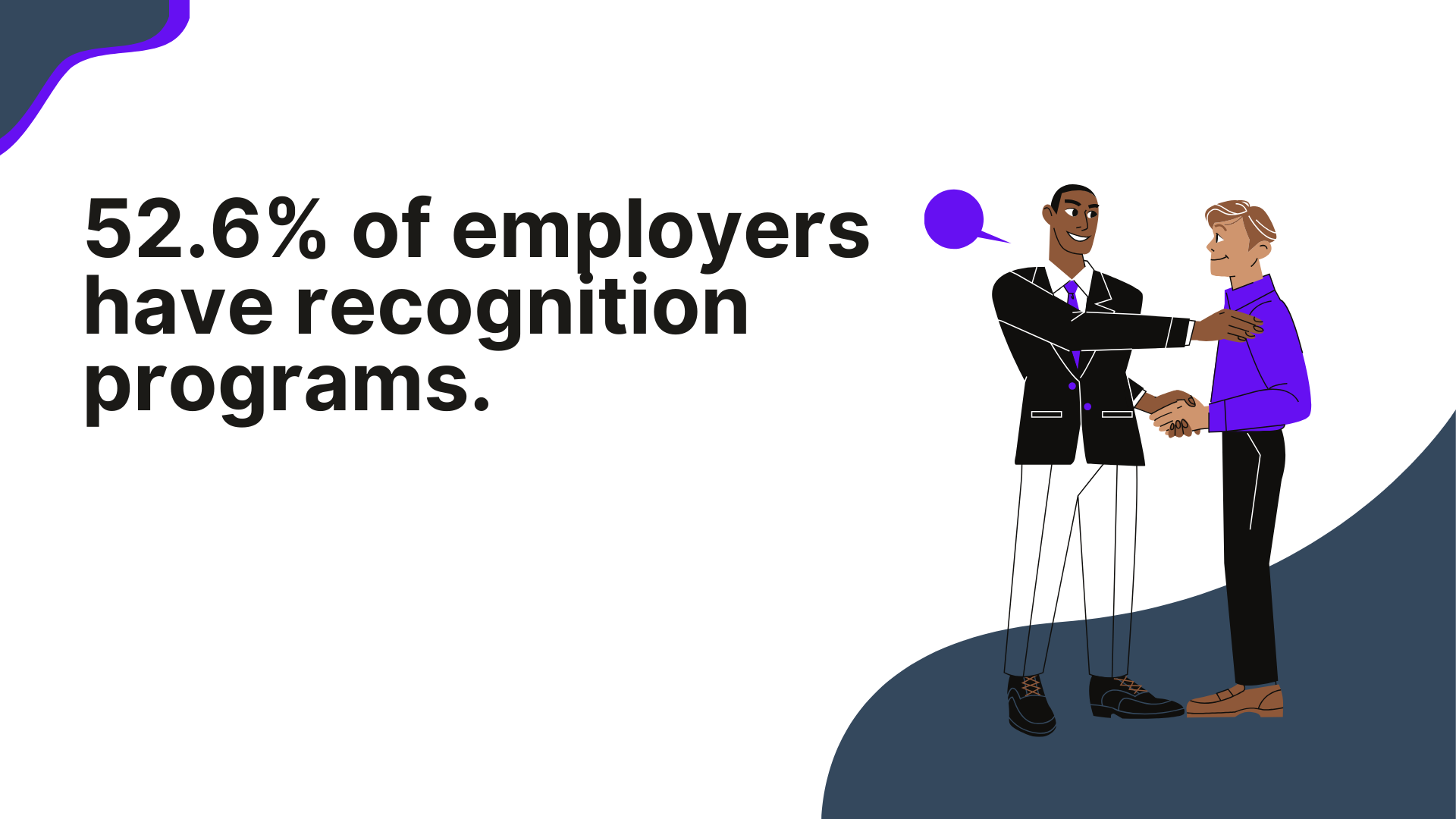
According to Nectar data, only 52.6% of employers have recognition programs.
Yet, these structured programs indicate a clear value: 92% of workers in companies with a recognition program feel appreciated, compared to 70% in companies without one.
So, how do you turn an employee recognition idea into a reality?
Bridging this gap requires a multiple-step implementation process based on a strong foundation and a clear strategy.
Step one is to define the framework.
An employee recognition program policy should outline the program’s goal and purpose, the types of behaviors that will be rewarded, how, who can give recognition, how often it should occur, and more.
Step two involves gathering data.
Listening to employees is just as important as setting objectives. Involving the workforce in the planning process through surveys, focus groups, or informal feedback can reveal the most appreciated rewards and incentives.
A program built around individual preferences will likely gain traction and feel more authentic.
Step three is company-wide implementation.
Use employee recognition software to automate the implementation.
These tools bring structure and consistency by incorporating recognition into everyday routines, automating rewards, and encouraging participation from all levels. They also provide valuable insights that help track effectiveness and adjust the program.
Step four requires clear communication.
Once launched, a recognition program needs clear communication, leadership alignment, and training at all levels. It should also be visible and inclusive across departments and work environments.
Step five involves evaluating and refining the program.
Finally, recognition is not a one-time effort.
The most impactful recognition programs are regularly reviewed, measured, and adjusted. This continuous effort ensures they remain adequate, relevant, and aligned with employee needs and company goals.